
Property Surveys and Structural Reports Explained

There are three main kinds of property survey. Condition surveys (RICS Level 1, 2 and 3) look at the whole house. Structural engineer’s reports (such as a Specific or General Structural Inspection) focus on cracks, movement and the structure. Specialist surveys look at one system, such as drains, damp or electrics. The confusing part is that “structural survey” is used for both of the first two, so it’s always worth checking which one someone means.
Why is the terminology so confusing?
Because the names have changed over time, and different firms use different labels for the same thing. A “structural survey” used to be the standard name for the most detailed survey a surveyor carried out. That survey is now called a Building Survey, or RICS Level 3. Today, many people use “structural survey” to mean a structural engineer’s report instead.
So if an estate agent, solicitor or friend tells you to “get a structural survey”, ask what they mean. Do they want a full condition survey of the house, or a structural engineer to look at a specific concern?
Condition surveys: the whole house
These are carried out by surveyors and look at the overall condition of the property. Most RICS surveyors offer them under the RICS Home Survey Standard, and other professional bodies offer their own equivalents.
Level 1 survey
Previously called: Condition Report
A basic report using traffic light ratings. Best suited to newer homes in good condition.
Level 2 survey
Previously called: HomeBuyer Report
The most popular choice for conventional homes in reasonable condition. It highlights defects and anything needing further investigation, and can include a valuation.
Level 3 survey
Also called: Building Survey, and traditionally a “full structural survey”
The most detailed condition survey. Often recommended for older, larger, altered or unusual homes, like many of the Victorian and Edwardian houses in Redland, Cotham and Bishopston.
All three are excellent at telling you about the general condition of a home. When a surveyor sees cracking or movement they can’t fully explain on a visual inspection, they will often recommend a structural engineer. If that’s where you are, my guide to what to do when your Level 2 survey recommends a structural engineer explains the next steps.
Structural engineer’s reports: the structure only
These are carried out by a structural engineer and focus only on the parts of the building that hold it up: the foundations, load bearing walls, floors and roof structure. They don’t cover damp, decoration, windows or services. Instead they explain why cracks or movement have happened, whether they are still moving, and what, if anything, needs doing.
Specific Structural Inspection (SSI)
Also called: specific defect report, single defect inspection, structural engineer’s letter
A focused inspection of one crack or one defect, such as a crack above a window or a bulging wall. This is the most common report when a survey or mortgage valuer flags one particular concern.
General Structural Inspection (GSI)
Also called: full structural report, full structural engineer’s report, structural survey
A wider inspection of the main structure of the whole building. Useful where there are several cracks, a mix of concerns, or you simply want reassurance the structure is sound.
Structural engineer’s report
This is the umbrella term for both of the above. If someone asks you for a “structural report”, they almost always mean one of these: a report written by a structural engineer explaining the cause of movement and what to do about it.
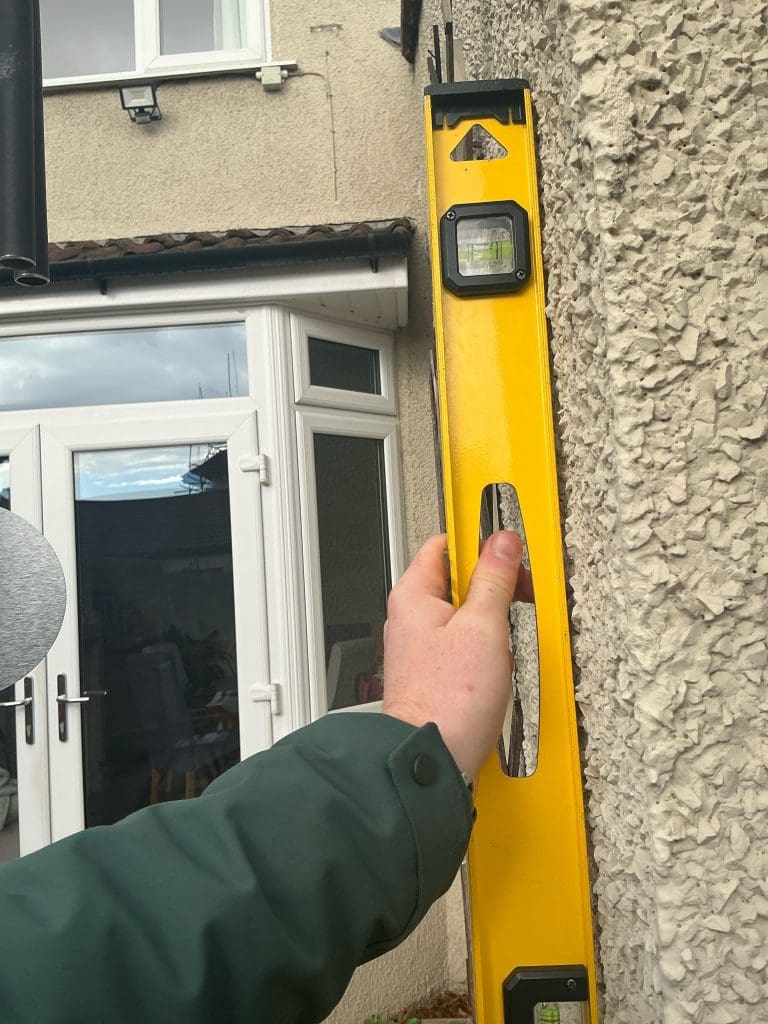
Checking a wall for tilt during a structural inspection.
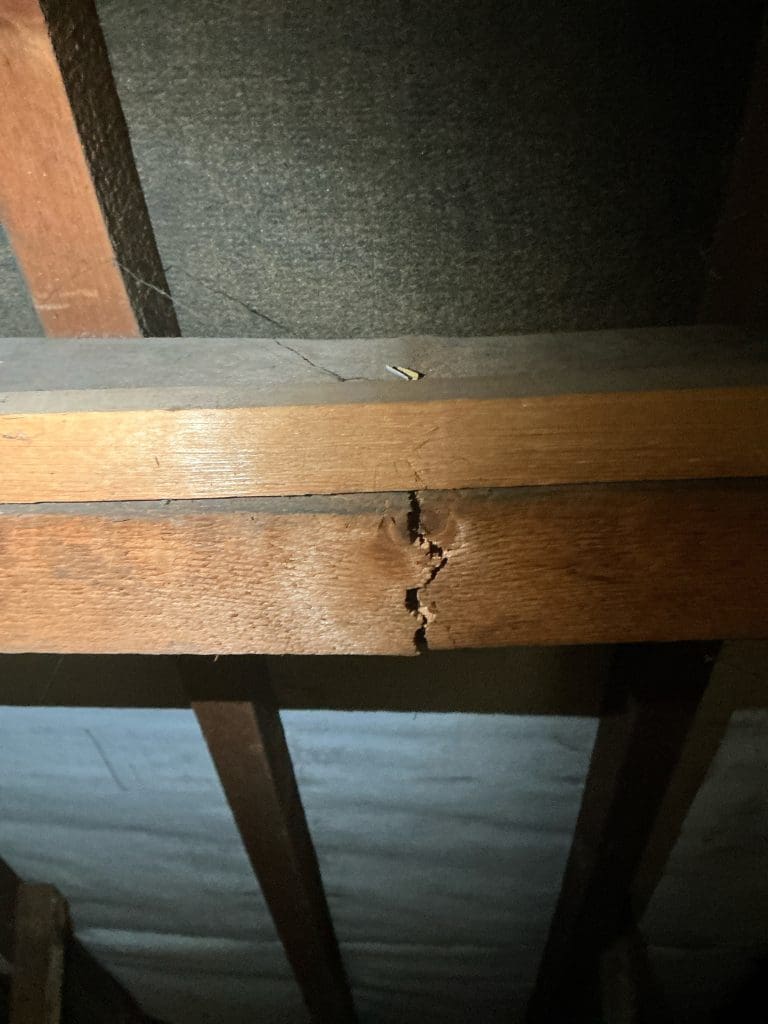
A split purlin in a roof space. A General Structural Inspection covers the roof structure as well as walls, floors and foundations.
For more detail on choosing between the two, see Specific vs General Structural Inspection.
Valuations: for the lender, not for you
Mortgage valuation
Also called: lender’s valuation, valuation report
Carried out on behalf of your mortgage lender to confirm the property is worth what they are lending. It is not a survey, and it won’t tell you much about the condition of the house. If the valuer spots cracking, the lender may hold back the mortgage until a structural engineer’s report confirms the cause and whether any repair is needed.
Surveys for new build homes
Snagging survey
Also called: snagging inspection, new build inspection
A check of a newly built home for unfinished work and defects, such as poorly fitted doors, gaps in sealant or damaged finishes, so the developer can fix them. If you’re buying on one of the newer developments around Patchway or Stoke Gifford, this is the survey most people choose. It isn’t designed to diagnose structural movement.
Specialist surveys and further investigations
Sometimes a survey or structural report recommends further investigations to confirm a cause before deciding on a repair. These are the most common:
- Drainage survey (CCTV survey): a camera is sent through the underground drains to check for leaks or breaks. Leaking drains can soften the ground and cause movement, so this is a common follow on from a structural report.
- Crack monitoring: measuring a crack over several months to see if it is still moving.
- Trial holes or site investigation: digging beside the foundations to check how deep they are and what soil they sit on.
- Arboricultural (tree) survey: assesses nearby trees, which can affect foundations on clay soils.
- Damp and timber survey: looks for damp, rot and woodworm. These are often carried out by companies that also sell treatments, so it’s worth knowing who you’re asking.
- Electrical (EICR) and gas safety checks: test the condition and safety of the services.
- Asbestos survey: identifies materials that may contain asbestos, usually before building work.
- Japanese knotweed survey: checks for knotweed, which lenders take seriously.
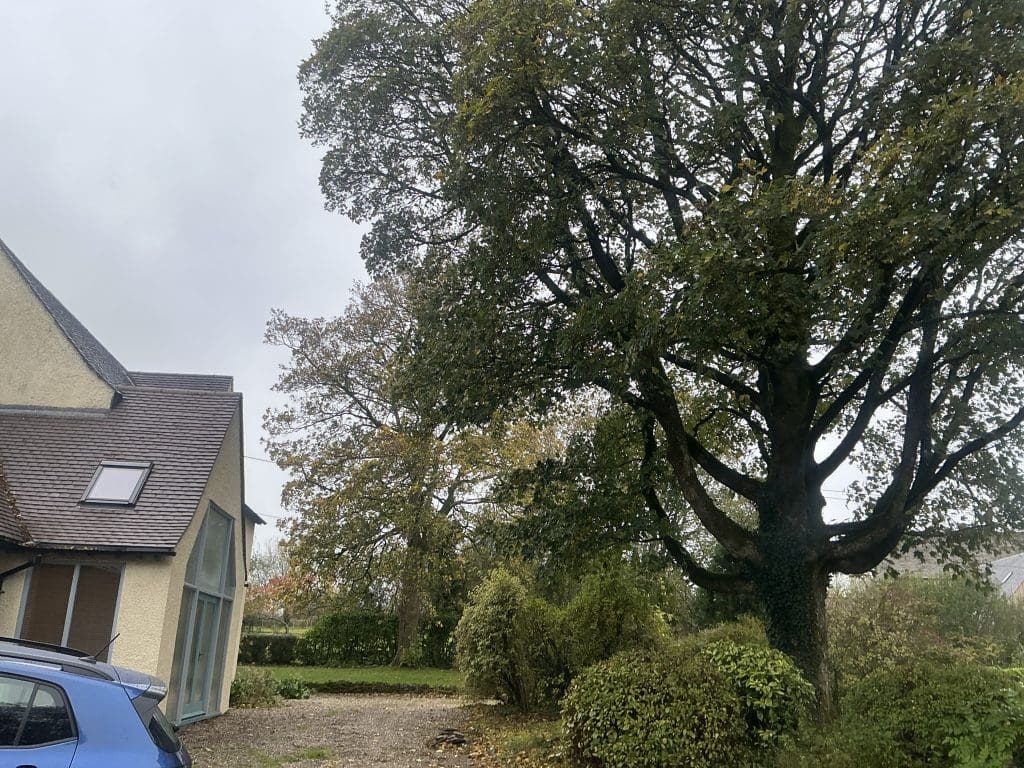
Large trees nearby properties require management when clay soils are under the foundations
Other terms you might hear
- Schedule of condition: a photographic record of a building’s condition at a point in time, often before neighbouring building work or a lease begins.
- Party wall survey: relates to the legal process when a neighbour works on a shared wall. This is handled by party wall surveyors and is different from a structural report.
- Subsidence report (insurance): if you claim for subsidence, your insurer will usually appoint its own engineer or loss adjuster to investigate.
Quick reference table
| Survey or report | Carried out by | What it’s for |
|---|---|---|
| Level 1 | Surveyor | Basic condition of newer homes |
| Level 2 | Surveyor | Condition of most conventional homes |
| Level 3 (Building Survey, old “structural survey”) | Surveyor | Detailed condition of older or unusual homes |
| SSI (specific defect report) | Structural engineer | One crack or defect |
| GSI (full structural report) | Structural engineer | The main structure of the whole building |
| Mortgage valuation | Valuer for the lender | Confirming value for the mortgage |
| Snagging survey | Snagging inspector or surveyor | Defects in a new build |
| Drainage, damp, electrical and others | Specialists | One specific system |
Which one do I need?
- Buying, and nothing flagged yet: start with a Level 2 or Level 3 survey. If you only want to know about the structural integrity, then consider a GSI.
- Your survey or lender recommends a structural engineer: get a structural engineer’s report before you exchange contracts.
- You’ve noticed a crack or movement yourself: go straight to a structural engineer.
- Buying a brand new home: consider a snagging survey.
Most people never need more than one survey. If you do need a structural engineer, it’s usually because someone has spotted something worth a closer look, and in many cases the answer is reassuring. If you’re not sure, my guide to when to worry about cracks in walls is a good place to start.
Which structural report do you need?
- Specific Structural Inspection (SSI): one crack or one defect. £570 including VAT, fixed fee.
- General Structural Inspection (GSI): several cracks or wider concerns about the structure. From £810 including VAT, depending on the size of the property.
Both include a written report within 48 hours of the inspection.
About the author
George Lifely is a Structural Engineer (CEng MICE) and AssocRICS surveyor based in north Bristol. He specialises in structural engineer reports for homeowners and buyers, explaining cracks and movement in plain English. He is fully independent, with no repairs or design work to sell.
Get a fixed fee quote
Not sure which report you need? Tell me what you’ve noticed, or what your survey says, and I’ll recommend the right one with a clear, no obligation quote. Get a quote
I inspect homes across north Bristol, including Redland, Cotham, Bishopston, Henleaze, Patchway and Stoke Gifford, as well as the wider Bristol area and beyond. See the areas I cover
Frequently asked questions
Is a structural survey the same as a structural engineer’s report?
Not always. Traditionally, “structural survey” meant a full condition survey by a surveyor, now called a Level 3 Building Survey. Today it’s often used to mean a structural engineer’s report, so it’s worth checking which is meant. Check the credentials of who is acutally doing the inspection.
What is the difference between an SSI and a specific defect report?
None. They are different names for the same thing: a structural engineer’s inspection of one crack or defect.
Is a mortgage valuation a survey?
No. It’s carried out for your lender to confirm the property’s value, and tells you very little about its condition.
Do I need a survey and a structural engineer’s report?
Usually just a survey. A structural engineer’s report is only needed if a structural concern has been flagged or you’ve spotted one yourself. Or if you just want to know about the structure and nothing else.
Who carries out a structural engineer’s report?
A structural engineer. Look for chartered status, such as CEng MICE or MIStructE, which shows they are professionally qualified and regulated.
Not Sure Which Report You Need?
Whether it’s one crack or a concern about the whole property, we’ll help you find the right report, and give you a fixed-fee quote within one working day.

Fast Quoting,
No-Obligation
Tell us what you're concerned about and we'll come back with a clear quote, no jargon, no pressure, no obligation. You'll know the cost and what's included before you commit to anything.

48-Hour
Reports
Once the inspection's done, you're not left waiting. You'll have your full written report within 48 hours, so you can make a decision and move on, whether that's reassurance or next steps.

Qualified Engineer,
Not a Call Centre
You deal directly with me, a Chartered Structural Engineer (CEng MICE), from quote to inspection to report. No handoffs, no junior inspector standing in.

Plain-Language Reports
No dense technical jargon you need a second opinion to understand. Every report tells you plainly what's causing the problem, how serious it is, and what, if anything, you need to do next.
Ready for Clarity on Your Crack or Structural Concern?
Tell us a bit about what you've noticed and the property, and we'll come back with which report's right for you and a clear, no-obligation quote. We'll then confirm a date and get your report to you within 48 hours of the inspection.
Prefer to call or email?
Call us on 01452 790 887
Or email us here at:
office@lifelys.co.uk