
What Is a General Structural Inspection (GSI)?
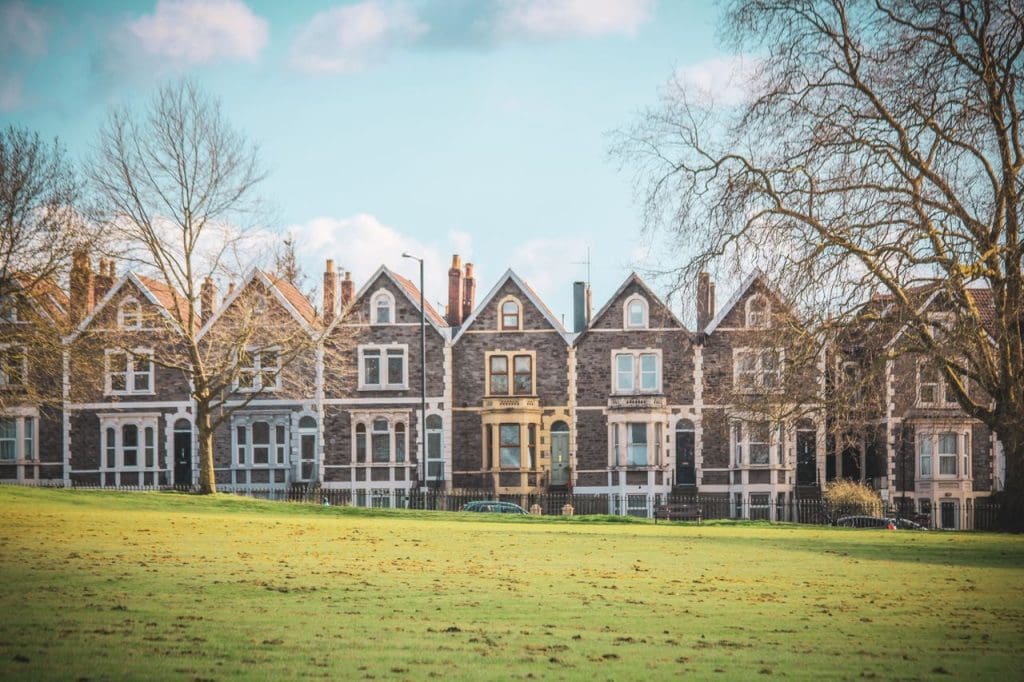
A General Structural Inspection (GSI) is a structural engineer’s inspection of the main structure of a whole property, covering the roof structure, load bearing walls, floors and signs of foundation movement. It’s the right report when there are several cracks or concerns, when you’re not sure what’s wrong, or when you want reassurance that the structure of a house is sound. At Lifelys, a GSI costs from £810 including VAT, with the report issued within 48 hours of the inspection.
What does a GSI cover?
Where a Specific Structural Inspection looks at one defect, a GSI steps back and looks at how the whole structure is performing. It covers the main load bearing elements of the building:
- Roof structure: the rafters, purlins and other timbers that hold the roof up, and whether the roof is pushing the walls outwards
- Load bearing walls: cracks, bulging, leaning and signs of failed lintels or wall ties
- Floors: slopes, sagging and signs of overloading or movement
- Foundations: foundations are buried, so I assess them from the signs above ground, such as crack patterns, distortion and sloping floors
Where defects are found, I explain how they relate to each other. Several cracks around a house often share one cause, and finding it is the key to the right repair.
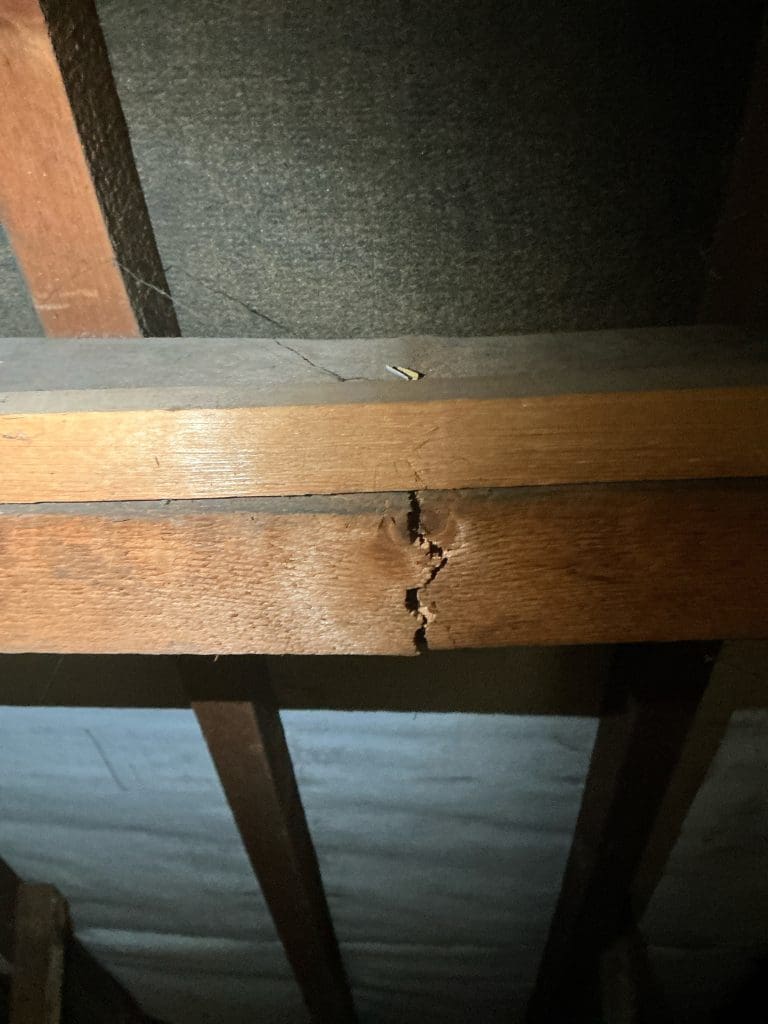
A split purlin found in a roof space. A GSI includes the roof structure, which is easy to miss when you’re focused on cracks in the walls.
What is a GSI also called?
You may see a GSI described as a:
- Full structural report
- Full structural engineer’s report
- Structural survey
- General structural report
All of these describe a structural engineer looking at the main structure of the whole building. If you’re unsure how they compare with other surveys, my guide to the different types of property surveys explains the jargon.
Who needs a General Structural Inspection?
A GSI is the better choice when you can’t point to just one problem. Common situations include:
- Several cracks or concerns. Your survey has flagged movement in more than one place, or you’ve noticed several issues yourself.
- You’re not sure what’s wrong. Something doesn’t feel right, such as sticking doors, sloping floors and cracks, but there’s no obvious single defect.
- The house needs work anyway. You’re buying a property in poor condition and already expect to renovate. What you really need to know is whether the structure is sound.
- Your lender or solicitor wants a wider view. Sometimes a lender asks for the general structural condition to be confirmed.
- Past repairs or alterations. The house has had previous structural work and you want to know it’s performing as it should.
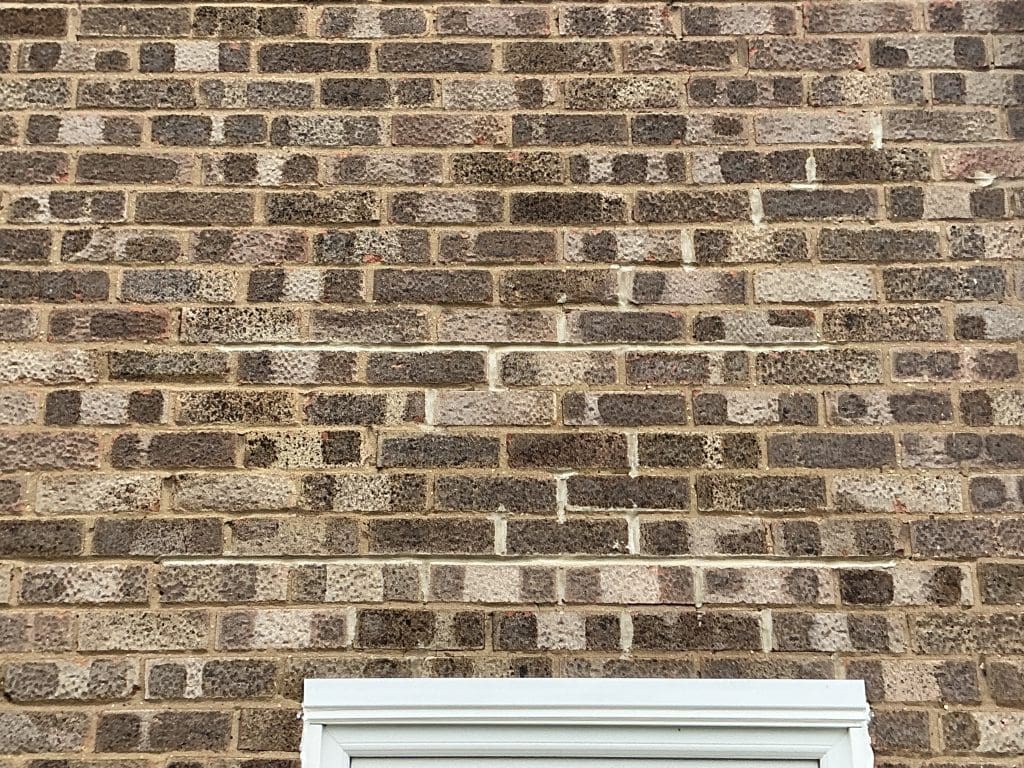
A past crack stitching repair. A GSI looks at whether earlier repairs are performing and whether the movement behind them has stopped.
If there’s only one crack or defect, a Specific Structural Inspection will usually answer your question for less. See my guide to what a Specific Structural Inspection is, or compare the two in Specific vs General Structural Inspection.
What happens during the inspection?
I research the property and local ground conditions before I visit. On site, I inspect the outside of the building, every accessible room inside, and the roof space where it can be safely reached. I measure cracks, check walls for tilt and floors for level, and look for causes such as trees, leaking drains, roof spread, failed lintels or past alterations.
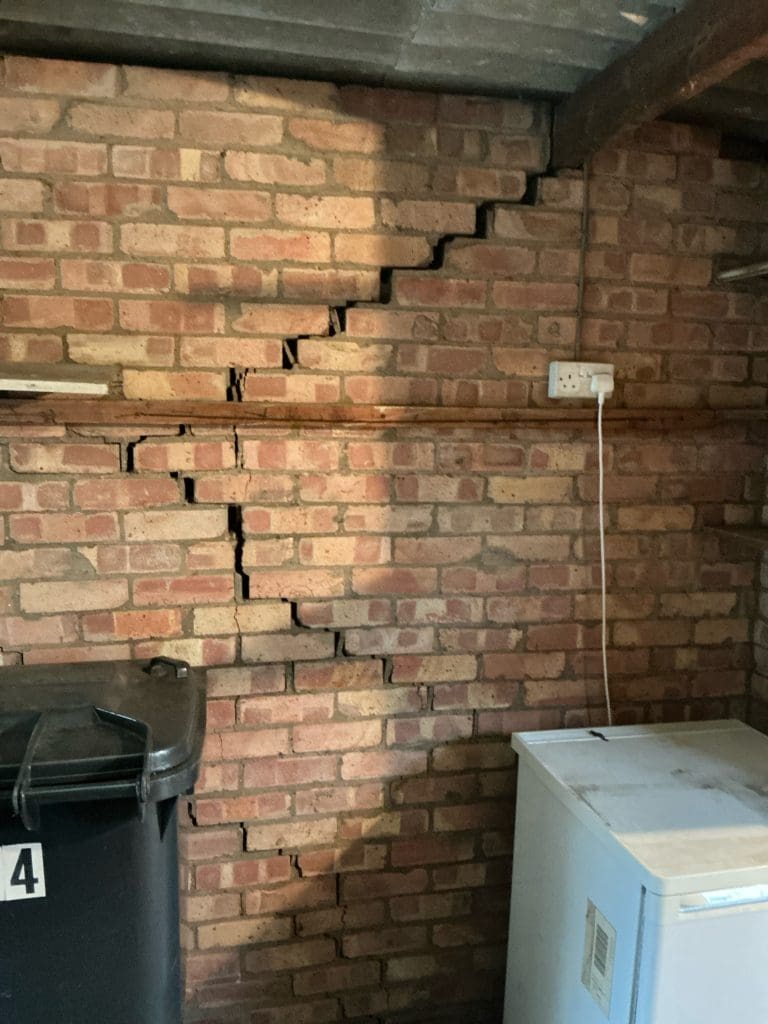
A large stepped crack in a garage wall. A GSI looks at the garage and how they relate to movement in the main house.
The inspection is visual and non-invasive, so nothing is opened up or damaged. Many of the older homes I inspect in Clifton, Cotham and Westbury on Trym have been altered over the decades, so part of the job is understanding how past changes affect the structure today.
What’s in the structural report?
Your structural report arrives within 48 hours of the inspection, written in plain English with photos. It includes:
- The brief: what I was asked to look at and why
- The property and ground conditions
- What I found: outside, inside and in the roof space, with photos
- Discussion: my professional opinion on what the evidence shows.
- Conclusions: what’s causing any movement, whether it’s ongoing and how serious it is
- Recommendations: what to do next, in order of priority
Recommendations usually fall into three outcomes: no structural action needed, further investigations to confirm a cause, or specific repairs your builder can quote for.
What isn’t included?
A GSI focuses on the structure, so it doesn’t cover:
- Damp
- Roof coverings, gutters and roofline
- Decoration and finishes
- Doors and windows
- Services such as electrics, heating and drains
- Parts of the property that can’t be safely accessed
It isn’t a condition survey of the whole house, so it doesn’t replace a Level 2 or Level 3 survey. Where further investigations are needed, such as a drainage survey, the report will say so.
How much does a GSI cost?
A General Structural Inspection costs from £810 including VAT, depending on the size of the property. It’s a fixed fee, so you’ll know the exact price and what’s included before you book. You can read more in how much a structural engineer’s report costs.
Why choose an independent structural engineer?
I don’t carry out repairs or design work, so I have nothing to sell you after the report. My only interest is giving you an honest, complete picture of the structure, so you can make your decision with confidence.
About the author
George Lifely is a Structural Engineer (CEng MICE) and AssocRICS surveyor based in north Bristol. He specialises in structural engineer reports for homeowners and buyers, explaining cracks and movement in plain English. He is fully independent, with no repairs or design work to sell.
Get a fixed fee quote
Tell me about the property and your concerns, or send me your survey, and I’ll confirm whether a GSI is right for you with a clear, no obligation quote. [LINK: Get a quote > https://lifelysurveyors.surveybooker.co.uk/]
I inspect homes across north Bristol, including Clifton, Cotham, Westbury on Trym, Henleaze, Horfield and Bradley Stoke, as well as the wider Bristol area. [LINK: See the areas I cover > https://lifelys.co.uk/locations/]
Frequently asked questions
What does GSI stand for?
General Structural Inspection: a structural engineer’s inspection and report on the main structure of the whole property.
Is a GSI the same as a full structural survey?
It’s often called that, but “structural survey” is also used for a Level 3 Building Survey by a surveyor. A GSI is carried out by a structural engineer and focuses only on the structure.
Why does the price depend on the size of the property?
A larger house has more walls, floors and roof structure to inspect, so the inspection takes longer. You’ll receive a fixed quote before you book.
Do you go into the roof space?
Yes, where it can be safely accessed. The roof structure is an important part of a GSI.
Should I get a GSI instead of a survey?
Usually alongside one. A survey covers the condition of the whole house, and a GSI answers the structural questions in more depth. Some buyers of properties needing full renovation choose a GSI on its own, because the structure is their main concern.
Not Sure Which Report You Need?
Whether it’s one crack or a concern about the whole property, we’ll help you find the right report, and give you a fixed-fee quote within one working day.

Fast Quoting,
No-Obligation
Tell us what you're concerned about and we'll come back with a clear quote, no jargon, no pressure, no obligation. You'll know the cost and what's included before you commit to anything.

48-Hour
Reports
Once the inspection's done, you're not left waiting. You'll have your full written report within 48 hours, so you can make a decision and move on, whether that's reassurance or next steps.

Qualified Engineer,
Not a Call Centre
You deal directly with me, a Chartered Structural Engineer (CEng MICE), from quote to inspection to report. No handoffs, no junior inspector standing in.

Plain-Language Reports
No dense technical jargon you need a second opinion to understand. Every report tells you plainly what's causing the problem, how serious it is, and what, if anything, you need to do next.
Ready for Clarity on Your Crack or Structural Concern?
Tell us a bit about what you've noticed and the property, and we'll come back with which report's right for you and a clear, no-obligation quote. We'll then confirm a date and get your report to you within 48 hours of the inspection.
Prefer to call or email?
Call us on 01452 790 887
Or email us here at:
office@lifelys.co.uk