
What Is a Structural Engineer?

A structural engineer is a professional engineer who understands how buildings carry their weight and resist forces such as wind, ground movement and the loads we put on them. Some design new structures and alterations. Others, like me, specialise in inspecting existing buildings to explain cracks and movement. For homeowners and buyers, a structural engineer is the person who tells you whether a crack matters and what to do about it.
What does a structural engineer actually do?
Every building has a structure: the foundations, load bearing walls, floors, beams and roof timbers that hold it up. A structural engineer’s job is to understand how those parts work together, and what happens when one of them moves, weakens or is overloaded.
In practice, structural engineers tend to work in one of two areas.
Design engineers
They design new buildings, extensions and alterations. If you’re knocking through a wall, adding a loft conversion or building an extension, a design engineer will calculate the size of beams and foundations so your builder knows what to install and building control can approve it.
Inspection engineers
They assess existing buildings. When there are cracks, bulging walls, sloping floors or signs of subsidence, an inspection engineer visits, works out the cause, and explains whether the movement is serious and what should happen next. This is all I do.
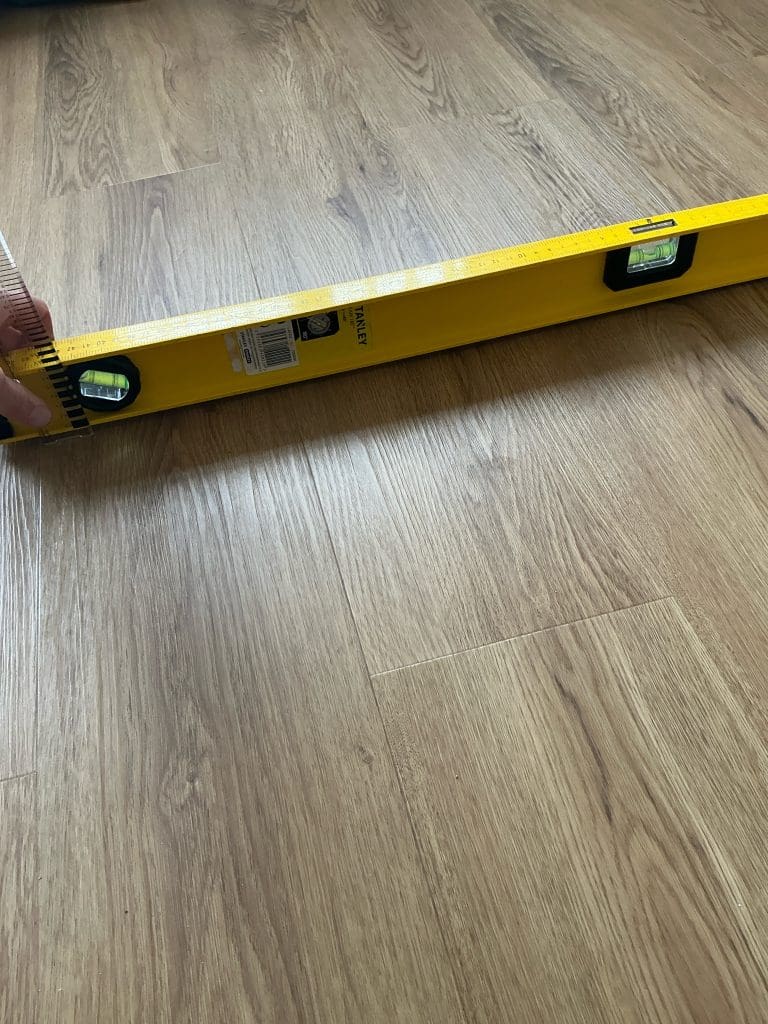
Checking a floor for slope during a structural inspection.
What qualifications should a structural engineer have?
This is where it’s worth taking care. In the UK, the title “structural engineer” on its own is not protected, so in principle anyone can use it. The protected titles are the chartered ones, which show an engineer has been professionally assessed and is bound by a code of conduct.
The main ones you’ll see are:
- CEng (Chartered Engineer): the professional standard for engineers in the UK, awarded through the Engineering Council
- MICE: Member of the Institution of Civil Engineers, a chartered member of one of the oldest engineering institutions in the world
- MIStructE: Member of the Institution of Structural Engineers, whose members use the title Chartered Structural Engineer
Civil and structural engineering overlap heavily, and many chartered civil engineers work on buildings and structures every day. I’m a Chartered Engineer and a member of the Institution of Civil Engineers (CEng MICE), and I’ve spent my career working on structures ranging from bridges to homes.
You can check an engineer’s chartered status on the Engineering Council’s register or with their institution. It’s also worth asking whether they hold professional indemnity insurance.
Is a structural engineer the same as a surveyor?
No, although the two often work side by side. A surveyor carries out a condition survey of the whole property, such as a Level 2 or Level 3 survey, which is sometimes still called a “structural survey”. They look at everything from the roof to the drains.
A structural engineer looks only at the structure, but in more depth. When a surveyor sees cracking or movement they can’t fully explain on a visual inspection, they will usually recommend a structural engineer to investigate. The structural engineer then writes a structural report explaining the cause and what to do.
My guide to the different types of property surveys explains how all the surveys and reports fit together.
How is a structural engineer different from an architect or a builder?
- An architect designs how a building looks and works as a space.
- A structural engineer makes sure it stands up, or explains why an existing building has moved.
- A builder carries out the work.
On an extension or alteration, all three are usually involved. When you’re buying a house with cracks, you only need the structural engineer.
When do you need a structural engineer?
You’ll need an inspection engineer when:
- Your survey recommends a structural engineer
- Your mortgage lender asks for a structural engineer’s report
- You’ve noticed cracks, especially stepped, diagonal or widening ones
- Walls bulge or lean, or floors slope noticeably
- Doors and windows have started to stick
- Your insurer or solicitor asks for one
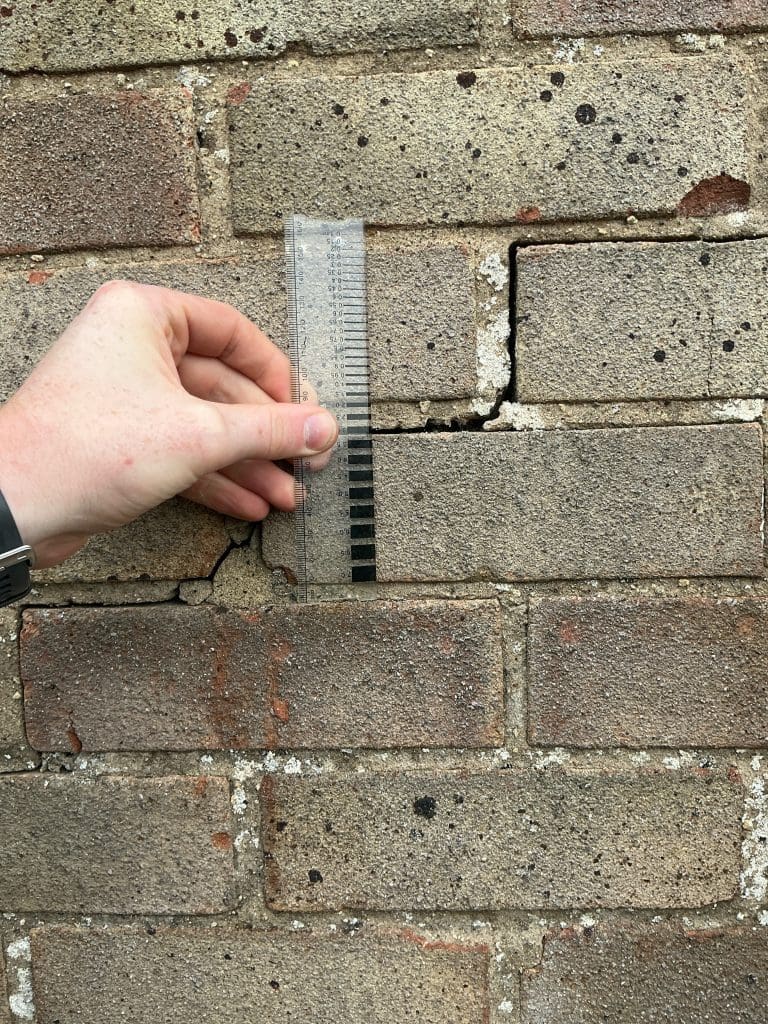
A stepped crack with displacement at a wall corner, the kind of defect that needs a structural engineer to diagnose.
You’ll need a design engineer if you’re planning alterations, such as removing a wall or building an extension. I don’t carry out design work, so for alterations you’ll need a design engineer instead.
Many of the homes I inspect in Clifton, Horfield and Westbury on Trym have been standing for over a century. Some movement in that time is normal. My job is to tell you whether it has stopped and whether it matters. If you’re unsure whether your crack needs looking at, my guide on when to worry about cracks in walls will help.
What happens when a structural engineer inspects your home?
I visit the property, inspect the area of concern, measure cracks, check walls for tilt and floors for level, and look for the likely cause, such as trees, leaking drains, a failed lintel or past alterations. The inspection is visual and non-invasive, so nothing is opened up.
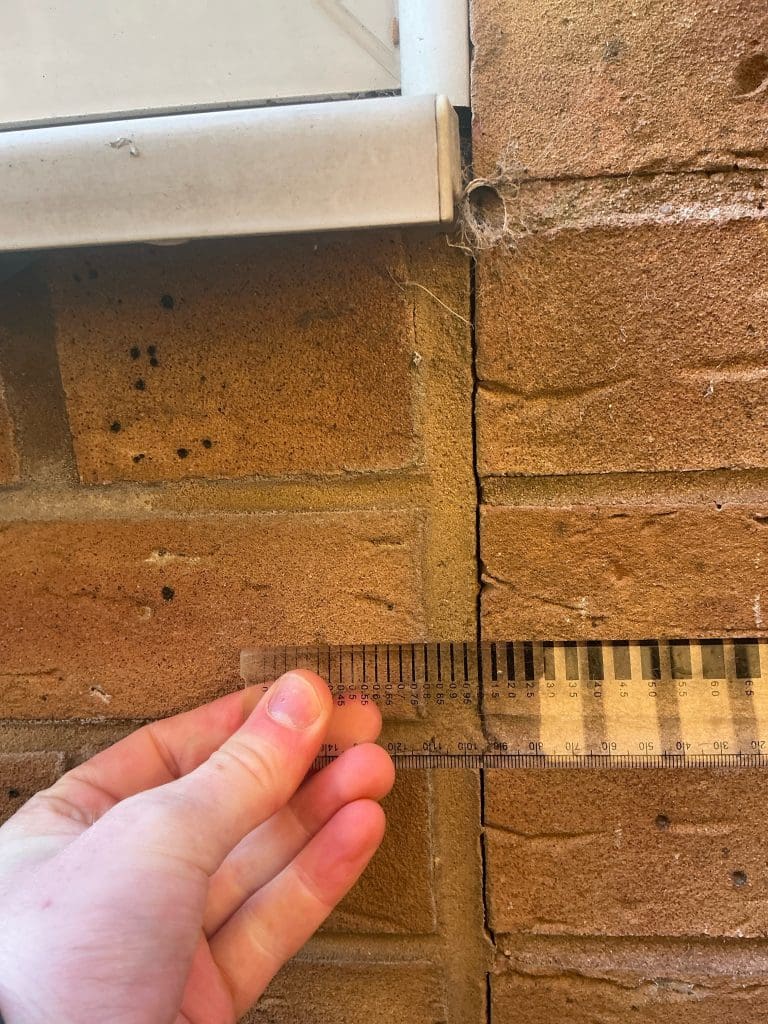
Measuring a crack at a joint during an inspection.
You then receive a written structural report within 48 hours, in plain English. It explains what’s causing the problem, whether it’s still moving, how serious it is, and what, if anything, needs doing. That might be no action at all, further investigations, or a repair your builder can quote for.
Because I don’t carry out repairs or design work, I have nothing to sell you after the report. My only job is to give you an honest answer.
Which report do you need?
- Specific Structural Inspection (SSI): one crack or one defect. £570 including VAT, fixed fee.
- General Structural Inspection (GSI): several cracks or wider concerns about the structure. From £810 including VAT, depending on the size of the property.
Both include a written report within 48 hours of the inspection. See Specific vs General Structural Inspection for help choosing, or how much a structural engineer’s report costs for more on fees.
About the author
George Lifely is a Structural Engineer (CEng MICE) and AssocRICS surveyor based in north Bristol. He specialises in structural engineer reports for homeowners and buyers, explaining cracks and movement in plain English. He is fully independent, with no repairs or design work to sell.
Get a fixed fee quote
Tell me what you’ve noticed, or what your survey says, and I’ll recommend the right inspection with a clear, no obligation quote. Get a quote
I inspect homes across north Bristol, including Clifton, Horfield, Westbury on Trym, Henleaze, Southmead and Bradley Stoke, as well as the wider Bristol area. See the areas I cover.
Frequently asked questions
Is “structural engineer” a protected title?
No. The protected titles are the chartered ones, such as Chartered Engineer (CEng). Always check an engineer’s qualifications before you book.
What is the difference between a civil engineer and a structural engineer?
The two fields overlap a great deal. Structural engineering grew out of civil engineering, and many chartered civil engineers specialise in structures and buildings.
Do I need a structural engineer or a surveyor?
For the general condition of a home, a surveyor. For cracks, movement or a specific structural concern, a structural engineer.
Can a structural engineer tell me if a crack is serious?
Yes. That’s exactly what an inspection is for. The report explains the cause, whether the crack is still moving, and what to do next.
Do you design extensions or beams?
No. I specialise in inspections and structural reports. For alterations you’ll need a design engineer.
Not Sure Which Report You Need?
Whether it’s one crack or a concern about the whole property, we’ll help you find the right report, and give you a fixed-fee quote within one working day.

Fast Quoting,
No-Obligation
Tell us what you're concerned about and we'll come back with a clear quote, no jargon, no pressure, no obligation. You'll know the cost and what's included before you commit to anything.

48-Hour
Reports
Once the inspection's done, you're not left waiting. You'll have your full written report within 48 hours, so you can make a decision and move on, whether that's reassurance or next steps.

Qualified Engineer,
Not a Call Centre
You deal directly with me, a Chartered Structural Engineer (CEng MICE), from quote to inspection to report. No handoffs, no junior inspector standing in.

Plain-Language Reports
No dense technical jargon you need a second opinion to understand. Every report tells you plainly what's causing the problem, how serious it is, and what, if anything, you need to do next.
Ready for Clarity on Your Crack or Structural Concern?
Tell us a bit about what you've noticed and the property, and we'll come back with which report's right for you and a clear, no-obligation quote. We'll then confirm a date and get your report to you within 48 hours of the inspection.
Prefer to call or email?
Call us on 01452 790 887
Or email us here at:
office@lifelys.co.uk