
Settlement vs Subsidence: What’s the difference?
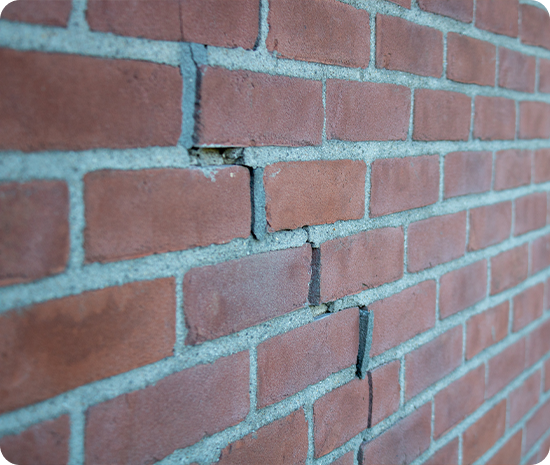
Settlement is downward movement caused by the weight of the building compressing the ground beneath it. Subsidence is downward movement of the ground itself, for reasons that have nothing to do with the building’s weight. The distinction matters because subsidence is usually covered by buildings insurance and settlement usually is not.
Both words describe a building going down. They get used interchangeably by estate agents, builders and worried homeowners, and the confusion is understandable. But to an engineer, an insurer or a lender they are two entirely different findings, with different causes, different consequences and different costs. Getting the label right is often the single most valuable thing a report does.
What settlement is
Every building presses down on the ground beneath it, and the ground responds by compressing slightly. That compression is settlement. It is not a defect. It is what soil does when you put a house on it.
The great majority of settlement happens in the first few years after construction, then tails off as the ground reaches equilibrium. The same thing happens on a smaller scale whenever new load is added, which is why a new extension, a loft conversion, or a conservatory will often produce a little movement of its own in the years after it is built.
Settlement only becomes visible as cracking when it is uneven, which engineers call differential settlement. If a whole building sinks by five millimetres uniformly, nobody ever knows. If one corner sinks five millimetres and the rest does not, the wall has to accommodate the difference, and it does so by cracking.
The classic pattern is cracking at the junction between an older building and a newer extension. The two parts have different foundations, different loads and different ages, so they settle at different rates and the joint between them opens up. That crack looks alarming and is usually harmless.
Settlement is self limiting. It slows, then stops. Once it has stopped, repair is a matter of filling and redecorating.
What subsidence is
Subsidence is the ground beneath the foundations moving downwards for reasons unconnected with the weight of the building. Something has happened to the soil, and the foundation has followed it.
The common causes in the south-west of the country are:
Clay shrinkage. Shrinkable clay soils lose volume as they dry out and regain it as they take on water. In a long dry summer the clay beneath a shallow Victorian footing can shrink enough to drop the foundation by several millimetres. This is by a wide margin the most common cause of subsidence in the UK.
Trees and large shrubs. A mature tree draws a substantial volume of water from the soil every day during the growing season. Where that tree is close to the building and the soil is shrinkable clay, it accelerates and localises the drying. Poplars, willows and oaks are the usual offenders, but any large tree within roughly its own height of the property is worth looking at.
Leaking drains. A cracked or displaced drain running past a foundation washes fine material out of the soil over a period of years, leaving a void. This is the second most common cause and the one most often missed, because the drain itself is buried and nobody thinks to look.
Made ground and old workings. Poorly compacted fill, backfilled quarries and historic mine workings can all consolidate or collapse long after the building above them was completed.
Subsidence is not self limiting. It continues until the cause is removed. That is the fundamental difference between the two, and it is why the response to each is so different.
The difference at a glance
| Settlement | Subsidence | |
|---|---|---|
| Cause | Weight of the building compressing the ground | Ground moving for reasons unrelated to the building |
| When it happens | Usually within the first few years, or after new work | Any time, at any age of property |
| Does it stop on its own | Yes, it slows and stabilises | No, it continues until the cause is removed |
| Typical location | At junctions between old and new, or under new load | Often one corner or one elevation, following the cause |
| Seasonal pattern | None | Clay shrinkage cases often worsen in late summer |
| Insurance | Generally excluded | Generally an insured peril |
| Usual response | Fill and redecorate once stable | Establish and remove the cause, then repair |
Why the difference matters
Insurance
This is the practical reason the distinction is worth paying for. Most standard UK buildings insurance policies cover subsidence, heave and landslip as named perils, typically with a higher excess of around £1,000. Settlement is normally excluded, on the basis that it is considered a normal characteristic of buildings rather than an insurable event.
So the same crack, in the same wall, can either be a claim or not a claim depending purely on which mechanism caused it. Insurers know this, which is why the wording of a report matters and why loose use of the word subsidence in a report can cause problems for everybody.
Buying, selling and mortgages
Where a valuer or a surveyor sees cracking, a lender will commonly hold the mortgage offer until an engineer has reported. A report identifying long finished settlement will usually release the offer. A report identifying active subsidence will usually not, at least until the cause is dealt with.
When you come to sell, the TA6 property information form asks directly whether the property has ever been subject to a subsidence claim. A history of subsidence that has been properly investigated, repaired and documented is manageable. Undocumented cracking that nobody ever got to the bottom of is much harder to explain to a buyer’s solicitor.
What actually gets repaired
If the movement is finished settlement, the repair is cosmetic. Rake out, repoint, fill, redecorate.
If the movement is active subsidence, repairing the crack first is a waste of money, because the wall will simply crack again. The cause has to be dealt with first. In practice that most often means removing or managing vegetation, or repairing a defective drain. Underpinning gets talked about far more than it gets done. In the large majority of cases where the cause can be identified and removed, the ground recovers and underpinning is never needed.
The other two words you will hear
Heave is the opposite of clay shrinkage subsidence. Clay soil that has been dried out over decades by a large tree will swell as it recovers moisture once that tree is removed. The ground rises, and it can lift a shallow foundation with it. Heave cracking often looks different from subsidence cracking, tending to be wider at the bottom rather than the top, and it is a genuine risk of felling a mature tree next to an older property without advice.
Landslip is lateral rather than vertical movement, where ground on a slope moves sideways. It is uncommon, but it is relevant on the steeper ground around Bristol and in parts of the Cotswold escarpment.
Both are insured perils alongside subsidence on most policies.
How to tell which one you are looking at
No single sign is conclusive, but taken together these point one way or the other.
Age of the property and timing of the cracking. Cracking that appeared within a few years of construction or shortly after an extension was built points towards settlement. Cracking that appears in a hundred year old house that had been fine for decades points towards something having changed in the ground.
Whether it is still moving. Fresh cracking has clean, sharp edges and exposed unweathered mortar. Older movement that stopped years ago tends to be dirty, filled with debris, or has been decorated over more than once. This is the single most useful observation and often the hardest to make confidently on one visit.
Seasonality. Clay shrinkage follows the weather. Cracks that noticeably open in late summer and close again over winter are behaving like a moisture driven problem.
What is nearby. A large tree, a soakaway, a manhole, a change in ground level, or building work next door. Subsidence usually has a cause you can point at, and it is usually on the same side of the building as the worst cracking.
Doors, windows and floors. Cracking on its own is common. Cracking combined with doors that have started to bind, windows that no longer close, or floors that have developed a noticeable slope, indicates the structure as a whole has moved rather than just a wall panel.
What we see around Bristol
Bristol has a genuinely mixed picture underfoot, which is part of why the same crack means different things in different postcodes.
Much of the city sits on Mercia Mudstone, a firm but shrinkable clay, and the Avon valley floor carries alluvial deposits that behave quite differently again. Victorian and Edwardian terraces across Bedminster, Easton, Bishopston and Southville were typically built on shallow footings by modern standards, which leaves them more exposed to seasonal moisture change than a post war property with deeper foundations. Add the mature street trees that make those streets attractive and you have the standard ingredients of a clay shrinkage case.
South and east Bristol also carry the legacy of the Bristol and Somerset coalfield, with historic workings beneath parts of Bedminster, Ashton Vale and Kingswood. Ground conditions of that sort are uncommon as a cause of domestic cracking, but they are a reason not to assume every Bristol crack has the same explanation.
Getting an answer
If you have cracking and you do not know which of these you are dealing with, an inspection will tell you. I attend the property, examine the cracking inside and out, look at the wider context including drainage, vegetation, ground levels and the age and construction of the building, and photograph throughout. A visit usually takes around two hours.
You receive a written report within 24 hours. It says what the movement is, what caused it, whether it is ongoing, and what should be done, in language you can pass straight to an insurer, a lender, a solicitor or a builder.
It is worth saying that this business carries out inspections and writes reports only. It does not sell repairs and it does not produce repair designs. Nobody here benefits from the answer being subsidence rather than settlement, which is exactly why the answer is worth having.
Clarity on cracks and structural movement, within 24 hours.
Frequently asked questions
Is settlement covered by buildings insurance?
Usually not. Most policies treat settlement as normal building behaviour rather than an insured event, and exclude it. Subsidence, heave and landslip are normally covered as named perils, typically with a higher excess of around £1,000. Check your own policy wording, as cover varies between insurers.
How can I tell if my house is subsiding?
The signs that point towards subsidence rather than harmless cracking are diagonal cracks wider than about 5mm, cracking that has visibly grown over months, doors and windows that have started to stick, sloping floors, and a large tree or a drain run close to the worst affected corner.
Does subsidence always mean underpinning?
No, and it usually does not. In most cases where the cause is identified and removed, whether that is managing vegetation or repairing a defective drain, the ground stabilises and no underpinning is required. Underpinning is a last resort, not a default response.
How long does settlement take to stop?
Most settlement in a new building is substantially complete within the first two to five years, and largely finished within ten. Movement following an extension follows a similar pattern. If cracking is still actively growing many years after the work, settlement is unlikely to be the explanation.
Do I have to declare subsidence when I sell my house?
The standard TA6 property information form asks whether the property has been subject to a subsidence claim, so a previous claim must be disclosed. A documented history of investigation and repair is far easier for a buyer to accept than unexplained cracking with no paperwork behind it.
Can you get a mortgage on a house with a history of subsidence?
Often yes, particularly where the movement is historic, the cause was identified and dealt with, and there is a report and repair record to show for it. Lenders are far more cautious about active or unexplained movement, which is where an engineer’s report frequently unlocks the offer.
Not Sure Which Report You Need?
Whether it’s one crack or a concern about the whole property, we’ll help you find the right report, and give you a fixed-fee quote within one working day.

Fast Quoting,
No-Obligation
Tell us what you're concerned about and we'll come back with a clear quote, no jargon, no pressure, no obligation. You'll know the cost and what's included before you commit to anything.

24-Hour
Reports
Once the inspection's done, you're not left waiting. You'll have your full written report within 24 hours, so you can make a decision and move on, whether that's reassurance or next steps.

Qualified Engineer,
Not a Call Centre
You deal directly with me, a Chartered Structural Engineer (CEng MICE), from quote to inspection to report. No handoffs, no junior inspector standing in.

Plain-Language Reports
No dense technical jargon you need a second opinion to understand. Every report tells you plainly what's causing the problem, how serious it is, and what, if anything, you need to do next.
Ready for Clarity on Your Crack or Structural Concern?
Tell us a bit about what you've noticed and the property, and we'll come back with which report's right for you and a clear, no-obligation quote. We'll then confirm a date and get your report to you within 24 hours of the inspection.
Prefer to call or email?
Call us on 01452 790 887
Or email us here at:
office@lifelysurveyors.co.uk