
Cracks in Walls: When to Worry, and What They Actually Mean
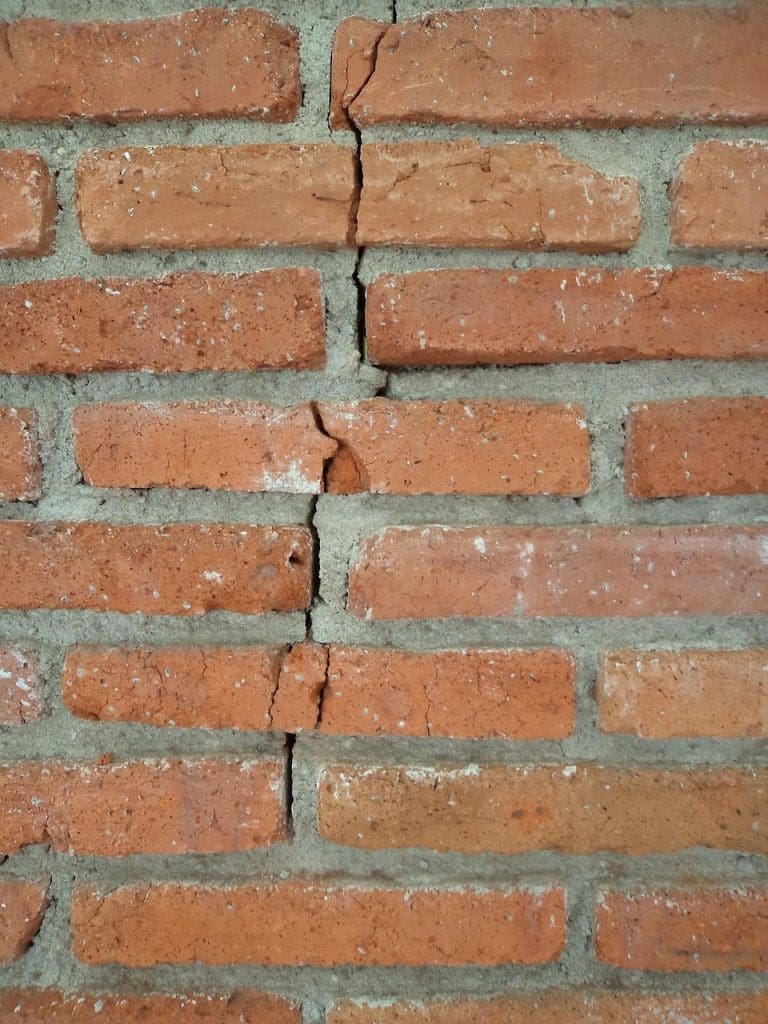
Most cracks in walls are cosmetic, caused by ordinary settling, plaster shrinkage, or materials drying out, and don’t mean anything is structurally wrong. But some cracks are a sign of real movement, and the only way to know which you’re looking at is to understand what to check.
Cosmetic cracks vs structural cracks
Hairline cracks in plaster, especially in newer extensions or freshly decorated rooms, are usually just cosmetic. They form as materials dry and settle, and they can be filled and painted over without a second thought.
Cracks worth taking seriously tend to share a few features:
- Wider than a pound coin (roughly 3mm)
- Diagonal or stepped through brickwork
- Appearing suddenly, or visibly growing over weeks or months
- Running from the corner of a door or window
- Paired with doors or windows that have started sticking
None of these confirm a structural problem on their own; they’re the signs that make it worth getting looked at properly rather than filled and forgotten.
Why it’s not always obvious from looking
Bristol has a lot of older housing stock on clay soil, which shrinks and swells with the seasons and can cause cracking that looks alarming but is actually stable and historic. The same clay conditions can also cause active subsidence. Telling the two apart, historic and settled versus active and ongoing, isn’t something you can reliably do by eye. It needs someone who can read the pattern, check whether the movement’s still happening, and identify the actual cause. (More on how subsidence and settlement differ in Settlement vs Subsidence: What’s the difference?)
What to do if you’ve spotted one
If it’s one crack or a single area of concern, our Specific Structural Inspection gives you a focused inspection and a plain-language explanation of what’s causing it and whether it needs action. If there’s cracking in more than one place, or you want the full structural picture, our General Structural Inspection covers the whole property.
Either way, you’ll have a written report within 24 hours of the inspection, so you’re not left guessing.
Not Sure Which Report You Need?
Whether it’s one crack or a concern about the whole property, we’ll help you find the right report, and give you a fixed-fee quote within one working day.

Fast Quoting,
No-Obligation
Tell us what you're concerned about and we'll come back with a clear quote, no jargon, no pressure, no obligation. You'll know the cost and what's included before you commit to anything.

24-Hour
Reports
Once the inspection's done, you're not left waiting. You'll have your full written report within 24 hours, so you can make a decision and move on, whether that's reassurance or next steps.

Qualified Engineer,
Not a Call Centre
You deal directly with me, a Chartered Structural Engineer (CEng MICE), from quote to inspection to report. No handoffs, no junior inspector standing in.

Plain-Language Reports
No dense technical jargon you need a second opinion to understand. Every report tells you plainly what's causing the problem, how serious it is, and what, if anything, you need to do next.
Ready for Clarity on Your Crack or Structural Concern?
Tell us a bit about what you've noticed and the property, and we'll come back with which report's right for you and a clear, no-obligation quote. We'll then confirm a date and get your report to you within 24 hours of the inspection.
Prefer to call or email?
Call us on 01452 790 887
Or email us here at:
office@lifelysurveyors.co.uk